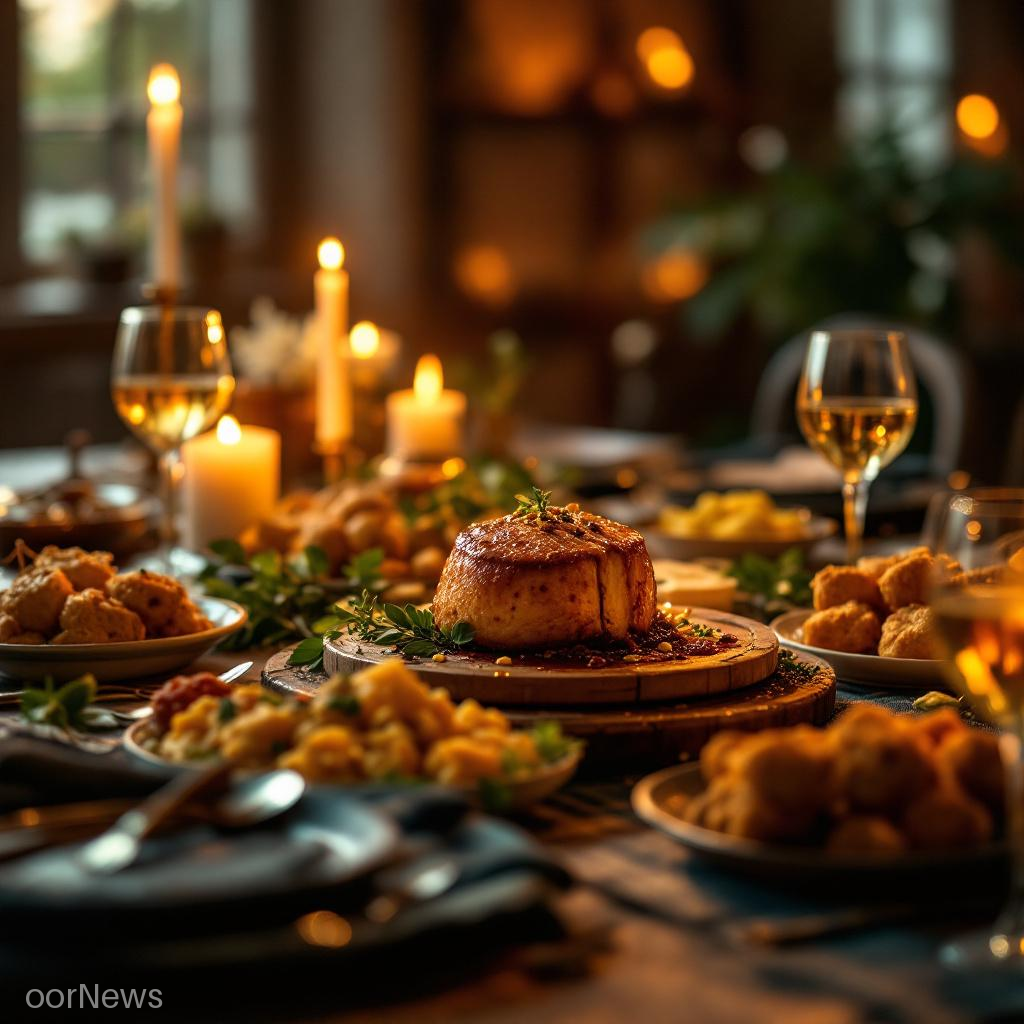
It began as a quiet dinner among friends in July 1801 to mark the fifth anniversary of Robert Burns’ death. Now, 225 years later, the “Burns Supper” has transformed from a local memorial into a global cultural phenomenon.
To celebrate this milestone, the Centre for Robert Burns Studies (CRBS) at the University of Glasgow has launched an ambitious new project: The Burns Supper at 225 Years: Scottish Tradition, Global Reinvention. The initiative is a worldwide call to action, asking anyone who has ever hosted or attended a Burns Night to contribute to a massive crowdsourced archive. This digital time capsule will culminate in an interactive global map set to launch in July 2026.
A Living, Breathing Tradition
While the core elements of a Burns Supper—the haggis, the whisky, and the “Address to a Haggis”—remain iconic, the research team is looking for the modern twists that keep the tradition alive. From haggis pakora in Glasgow to Reggae-infused celebrations in Jamaica, the project aims to document how the bard’s legacy is being reimagined across cultures.
Professor Pauline Mackay, Director of the CRBS, emphasizes that this is about more than just history.
“The Burns Supper is not just a historic ritual, it’s a modern phenomenon and one of the most wide-reaching and impactful examples of Intangible Cultural Heritage to come out of Scotland and, indeed, the United Kingdom,” says Professor Mackay.
“This celebration is a living tradition that continues to evolve and we want to capture that and link people around the globe celebrating Scotland’s national bard by finding out what foods they eat, what they drink and which Burns poems or songs feature in their celebrations.”
From the Arctic to Kilimanjaro
The scale of the tradition is staggering. Current estimates suggest that over 9.5 million people celebrate Burns Night every January 25th. Previous research by the University has already mapped over 2,500 events across five continents, but the 225th-anniversary project aims to go much deeper.
The researchers are looking for:
- Multimedia: Photos and videos of performances.
- Cuisine: Recipes and menus that blend Scottish tradition with local flavors.
- Attire: What people are wearing to celebrate in the 21st century.
This archive will also serve a formal purpose. It will form the basis of a submission to have the Burns Supper recognized as “UK living heritage” under the UNESCO Convention on Intangible Cultural Heritage.
The “Sleeping Giant” of the Economy
While the sentiment is poetic, the impact is practical. Professor Murray Pittock, whose 2019 report valued Robert Burns’ contribution to the Scottish economy at over £200 million annually, suggests the brand is still “underleveraged.”
“Burns is not only Scotland’s national bard, but he is also one of its greatest economic and cultural assets,” Professor Pittock explains. “His legacy drives tourism, festivals, food and drink and education. The Burns Supper is a key part of that legacy. Its global reach and adaptability show how heritage can be both rooted and responsive, traditional and transformative.”
He compares the potential to Austria’s Mozart brand, noting that while Vienna earns billions from cultural tourism, the Burns Supper remains a “sleeping giant” for Scotland’s heritage and food industries.
How to Join the Archive
The project, led by Research Associate Dr. Cleo O’Callaghan Yeoman and supported by the Shaw Bequest, is open to everyone. Whether you are a “seasoned Burnsian” or a first-time guest, the CRBS wants your story.
“What makes this project so exciting is the propensity of the Burns Supper tradition to respond directly to a burgeoning interest in the safeguarding of Intangible Cultural Heritage,” says Dr. O’Callaghan Yeoman.
Participants can share their photos, menus, and stories through the University of Glasgow’s Centre for Robert Burns Studies website.