Land Commission’s New Leadership: A Chance for Local Vyces tae Thrive
Da Scottish Land Commission (SLC) is poised tae mak a significant impact on communities ower Scotland, pairticularly dose dat spik Scots. Wi da recent appyntments o Dr. Lucy Beattie, Dr. Calum MacLeod, an Robert Black as Tenant Fairmin Commissioners, a fresh vision emerges ithin dis vital organisation. Established unner da Land Reform (Scotland) Act 2016, da Commission’s core mission revolves aroond equitable land awnership an access for a’ Scots.
Da new commissioners aim tae integrate da vyces o local communities intae discussions aboot land uise an management. By championin initiatives dat promote access tae land an community awnership models, da SLC hauds da potential tae revitalize local cultures while empouerin residents tae influence dere surroondins.
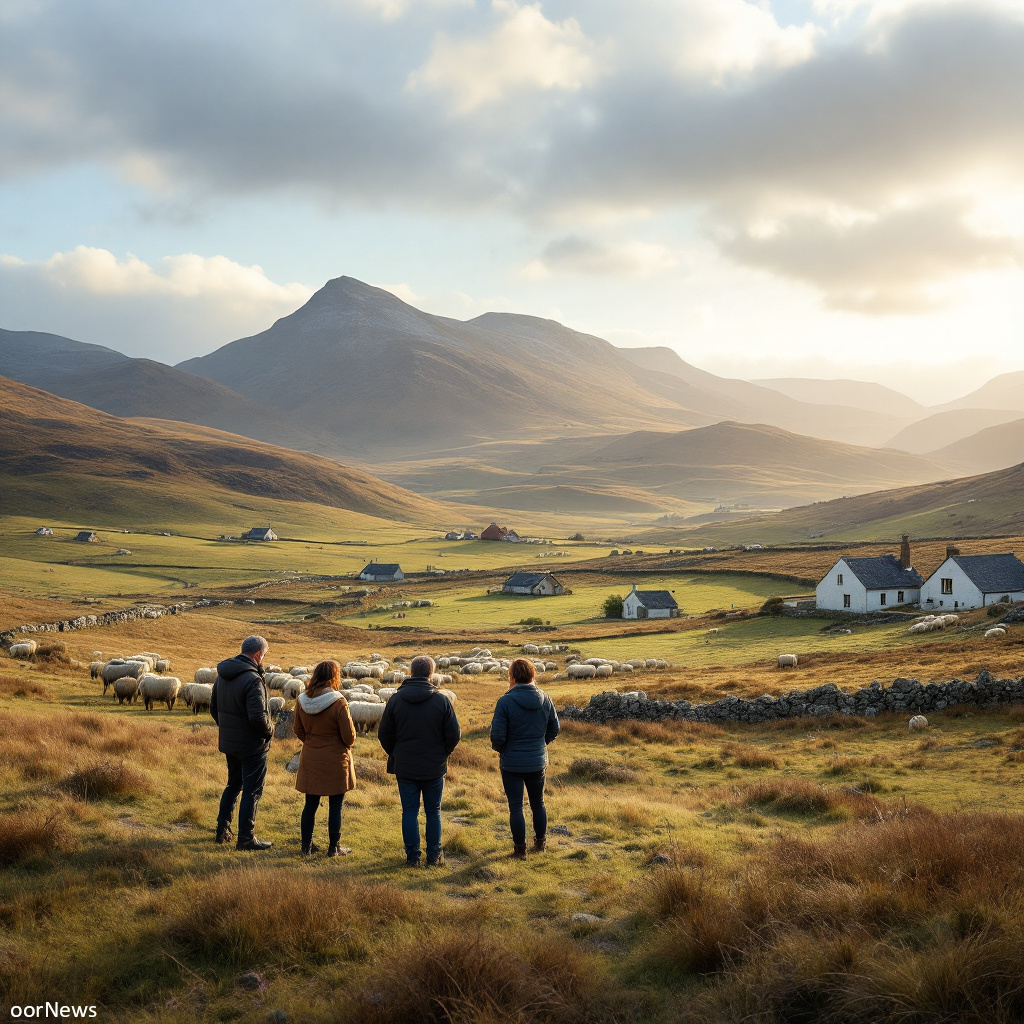
Community engagement is at da hert o da SLC’s ethos. By invitin locals tae pairticipate in land management projects, da Commission nae ainly addresses practical land uise issues but cultivates a sense o awnership amang Scots-spikkin communities. Dis empouerment aligns wi a braider movement throu Scotland, encouragin individuals an groups tae play a role in shapin dere futures.
Research haes aften pynted oot da need for inclusive policies dat reflect da unique linguistic an cultural needs o Scots speakers. Da SLC is committed tae conductin in-depth research an advisin da Scottish Government on effective policy alterations. Dis approach ensures dat unnerrepresented communities hae dere perspectives recognised an valued in land reform dialogues.
Lookin forrit, da new leadership is ready tae bigg upon da successes o dere predecessors while addressin previous owersichts. A keen focus will be placed on identifyin an addressin gaps in knaweledge regairdin local needs, pairticularly dese related tae agricultural practices, grazin richts, an community projects.
As dey embark on dere new roles, da commissioners are expected tae engage directly wi pressin local issues, forgin pathweys dat acknaweledge baith agricultural demands an cultural values. For da Scots-speakin community, dis inclusive approach is a promisin development, offerin a platform for dere vyces tae be heard in da ongaan land reform conversation.
In conclusion, da Scottish Land Commission emerges nae merely as a policy advisor but as a potential catalyst for empouerment an cultural preservation. By embracin local vyces, dis initiative haes da pouer tae reshape Scotland’s landscape while reinforcin da identities o its varied communities.