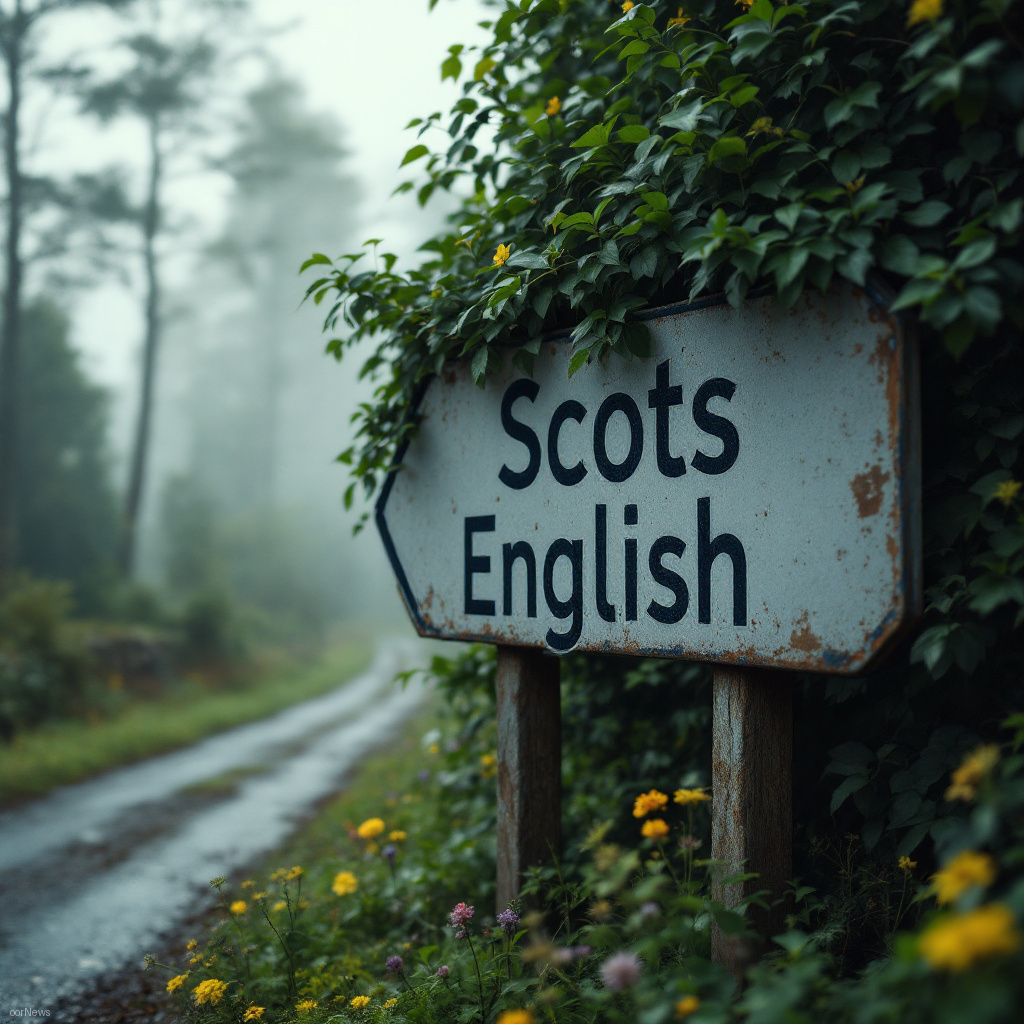
The northern Dutch province of Fryslân is set to update its road signs to feature both West Frisian and Dutch—a change that goes beyond practicality to become a powerful symbol of language revitalisation and a compelling example for Scotland’s Scots language.
For many in Scotland, the Frisian story will resonate. Like Scots alongside English, Frisian exists on a linguistic continuum with Dutch and has long battled the misconception of being just a ‘dialect.’ Yet Frisian is further along its revival journey, bolstered by official status granted since the 1950s—decades before Scots gained similar recognition.
This early head start has been crucial. But the most striking lesson from Fryslân lies in its classrooms. The province has championed bilingual and even trilingual education, with remarkable results: students educated in both Frisian and Dutch consistently outperform their monolingual Dutch peers academically. This success powerfully illustrates the cognitive and cultural benefits of mother-tongue education—it builds confidence, strengthens identity, and is the single most important factor in passing a language to future generations.
As Scotland charts the future of Scots, the Frisian experience offers a clear roadmap. From normalising the language on public signage—which requires thoughtful community consultation—to the proven benefits of bilingual education, the model points to a strategic path forward. While Scots boasts a richer and older written tradition, Fryslân’s journey demonstrates that with official backing and a commitment to teaching in the mother tongue, a minority Germanic language can not only survive but thrive.
Fryslân’s new bilingual road signs don’t just direct travellers—they signal a future where linguistic diversity is embraced as a strength. Scotland may well find inspiration here, showing that with dedication and support, Scots too can flourish as a living, spoken language.